

Cable compounds play an important role in determining the electrical, mechanical, thermal and environmental performance of finished cables. Different cable designs require different material properties, depending on factors such as cable structure, voltage rating, operating temperature, installation environment and applicable standards.
XLPE, XLPO, PVC and LSZH are four commonly used types of polymer-based cable compounds. They are widely applied in power cables, building wires, photovoltaic cables, control cables and other specialty cables. Understanding their properties and applications helps cable manufacturers select suitable materials for different cable designs.
1. Common Types of Cable Compounds and Their Properties
XLPE Cable Compound (Cross-Linked Polyethylene)
XLPE is widely used as an insulation material in power cables. Through crosslinking, polyethylene develops a three-dimensional molecular network structure, providing better heat resistance and resistance to thermal deformation than conventional thermoplastic polyethylene. In common power cable designs, XLPE-insulated cables typically have a maximum continuous conductor operating temperature of 90°C, depending on the cable design and applicable standards.
XLPE cable compounds are available for different voltage levels, including low-voltage, medium-voltage and high-voltage power cables. Key performance requirements include electrical insulation properties, tensile strength, elongation at break and crosslinking characteristics. The hot-set test is commonly used to evaluate the crosslinking performance of XLPE insulation.
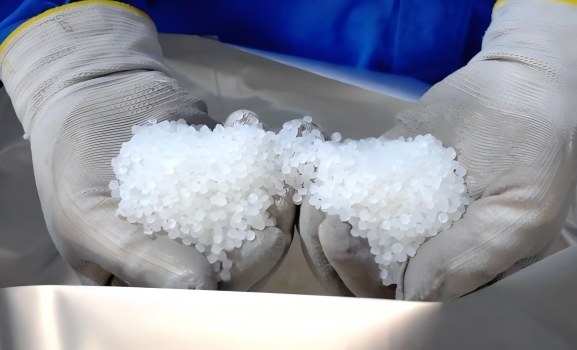
XLPO Cable Compound (Cross-Linked Polyolefin)
XLPO compounds are mainly used in photovoltaic cables and other specialty cable applications. Based on polyolefin polymers, their formulations can incorporate different polymer components to achieve the required balance of heat resistance, weather resistance, mechanical properties and electrical insulation performance through crosslinking and formulation design.
For photovoltaic cables intended for long-term outdoor use, resistance to UV exposure and temperature variations is also important. Material selection should therefore take into account relevant cable standards, such as EN 50618 and IEC 62930, as well as the specific requirements of the finished cable.
PVC Cable Compound (Polyvinyl Chloride)
PVC is a widely used thermoplastic material for cable insulation and sheathing. By adjusting plasticizers, stabilizers and other additives, PVC cable compounds can be formulated to meet different requirements for flexibility, heat resistance and processing performance.
PVC cable compounds are commonly used in building wires, low-voltage power cables, control cables and other general-purpose cable applications. As their electrical and thermal properties differ from those of XLPE, the appropriate grade should be selected according to the cable's voltage rating, operating conditions and applicable product standards.
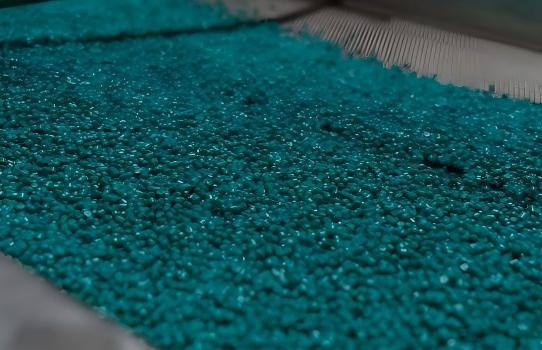
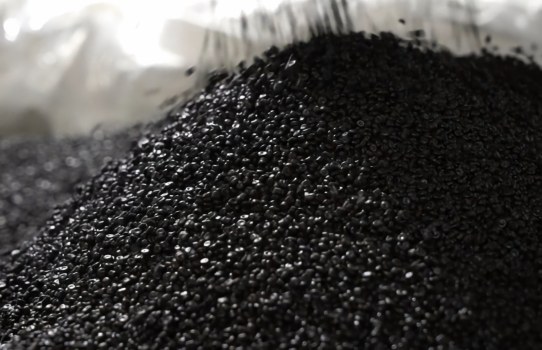
LSZH Cable Compound (Low Smoke Zero Halogen)
LSZH compounds are designed for cable applications where reduced smoke generation and low halogen content are important safety considerations. They are commonly used in building infrastructure, public transportation systems, tunnels and other enclosed or public environments.
These compounds are generally formulated using halogen-free polymer bases and halogen-free flame-retardant systems. Their performance evaluation typically covers acid gas emission, smoke density and flame-retardant properties. Depending on the specific cable requirements, relevant standards may include IEC 60754, IEC 61034 and IEC 60332.
Since high flame-retardant filler content can affect mechanical properties and processing performance, formulation development requires a balance between flame retardancy, smoke performance, tensile properties and extrusion processability.
2. Cable Insulation and Sheathing: Different Material Requirements
Cable insulation and sheathing serve different functions, so their material requirements also differ.
The insulation layer prevents electrical leakage and maintains the required dielectric performance between conductors or between conductors and other cable components. Important properties include dielectric performance, heat resistance and mechanical strength.
The outer sheath protects the cable against external factors such as abrasion, moisture, chemicals, UV exposure and mechanical damage. Its performance requirements depend largely on the installation environment and intended service conditions.
XLPE and XLPO compounds are commonly used for cable insulation, while PVC and LSZH compounds can be formulated for either insulation or sheathing, depending on the specific grade and cable design. Material selection should always be based on the intended application and relevant technical specifications.
3. Cable Compound Quality Control and Material Selection
Cable compound quality depends not only on the base polymer but also on formulation design, raw material selection and processing conditions.
For insulation compounds, dielectric strength, insulation resistance, tensile strength and elongation at break are important evaluation parameters. Hot-set and thermal aging tests help assess crosslinking characteristics and heat resistance. For LSZH cable compounds, oxygen index, smoke density and relevant flame-retardancy tests are commonly used to evaluate material performance.
When selecting a cable compound, manufacturers should consider the cable application, operating temperature, voltage rating, installation environment and applicable standards. Processing compatibility is equally important. Factors such as extrusion temperature, production line speed and crosslinking conditions can affect the final production results. Trial extrusion and material testing can help verify whether a compound is suitable for a specific manufacturing process.
A suitable cable compound must therefore meet the required technical specifications while remaining compatible with the cable structure and actual production conditions.
4. ONE WORLD Cable Compound Manufacturing and Quality Control
As a cable compound manufacturer, ONE WORLD specializes in the development and production of XLPE, XLPO, PVC and LSZH cable compounds for different cable applications.
ONE WORLD develops formulations and material grades to meet different cable design and processing requirements. Quality evaluation is carried out according to the characteristics of each material. XLPE cable compound testing includes hot-set performance, tensile properties and electrical characteristics, while LSZH cable compound evaluation focuses on parameters such as oxygen index and smoke density. Retained samples are also maintained to support product traceability.
For cable manufacturers evaluating new materials or optimizing existing formulations, ONE WORLD provides technical data sheets, sample testing and technical support to help assess material suitability before production.
Post time: Nov-20-2026